



The Viking flagship warship set sail
Viking warships are collectively referred to as Viking flagship warships. As early as the end of the 8th century, ships had become an important symbol of Viking spirit. Viking warships are generally 70-100 feet long, well crafted, and can be considered works of art, reflecting the skills of Viking shipbuilders. It is a naval vessel designed for plundering or traveling at sea, light and narrow, with paddle holes on both sides. When sailing against the wind or needing to paddle hard, rowers can easily lower the sails and operate flexibly. Although lightweight, it is strong and resistant to wind and waves, making it easy to dock on the coast or connect into a fleet on the river.

Viking flagship warship
Viking warships are collectively referred to as Viking flagship warships. As early as the end of the 8th century, ships had become an important symbol of Viking spirit. Viking warships are generally 70-100 feet long, well crafted, and can be considered works of art, reflecting the skills of Viking shipbuilders. It is a naval vessel designed for plundering or traveling at sea, light and narrow, with paddle holes on both sides. When sailing against the wind or needing to paddle hard, rowers can easily lower the sails and operate flexibly. Although lightweight, it is strong and resistant to wind and waves, making it easy to dock on the coast or connect into a fleet on the river.

Three row oared warship
The three row oared warship was a warship used in ancient Mediterranean civilization. The warship has three rows of oars on each side, with one person controlling one oar. Ancient warships had one row of oars on each side, with 25 oars per row; Double decker oared warships - warships with two rows of propellers. The origin of double decker oared warships may be Phoenicia. In the 7th to 4th centuries BC, fast and agile three row oared warships dominated the Mediterranean naval fleet. In the Persian Wars, three rows of oared warships played a crucial role: establishing Athens' maritime empire; The Peloponnesian War led to her decline.

Popular Models


Honey Badger (3D animated model)
194 View
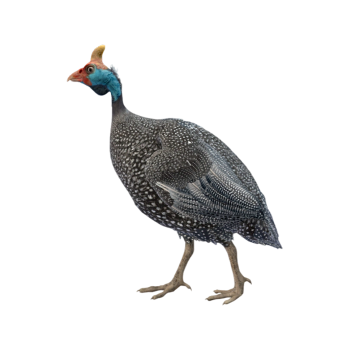
Guinea fowl (3D animated model)
165 View
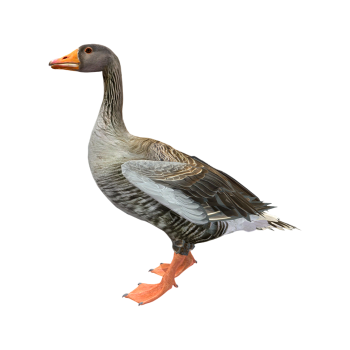
Wild Goose (3D animated model)
187 View
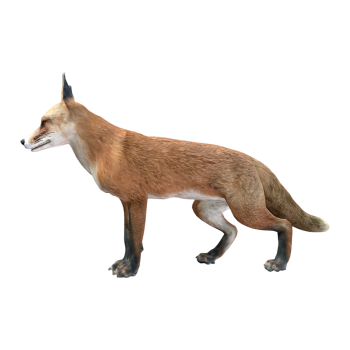
Red Fox (3D animated model)
155 View
Random Model
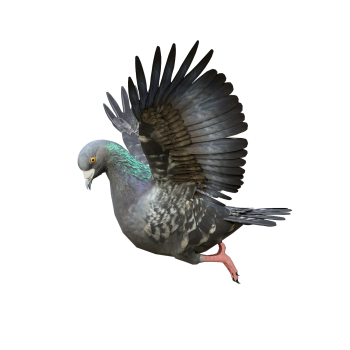
Flying pigeon model with 3D animation
1222 View


Fir
190 View

Sika Deer Skull Specimen
966 View

3D model animation of tarantula
855 View
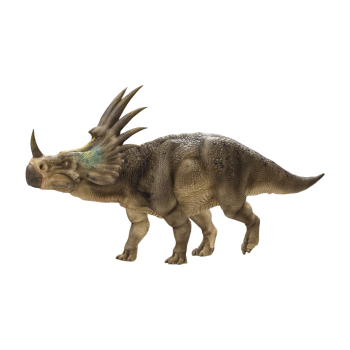
Halosaurus (3D animated model)
100 View

British DeHavilland Vampire fighter
785 View

F1 2022 Mercedes silver painting
869 View

VHS Tape
841 View

Easy outdoor drying rack
434 View